What to Expect During a Professional Wildlife Removal Visit
People seeking wildlife removal typically want pests safely removed from their property, and local contractors can provide expert, humane solutions during a professional wildlife removal visit.
Visitors exploring what to expect during a professional wildlife removal visit are in the right place. Property owners in the area often encounter nuisance animals such as raccoons, squirrels, bats, or birds that have taken up residence in or around their homes. Understanding the typical process can help alleviate concerns and prepare for a safe, effective solution. During a visit, experienced service providers will carefully assess the situation, identify entry points, and determine the best humane methods for removal. Knowing what to anticipate can make the experience less stressful and ensure that property owners feel confident in the professionalism of local wildlife removal experts.
As the visit progresses, local contractors focus on humane removal techniques that prioritize safety for both residents and animals. They often implement exclusion strategies to prevent animals from returning, and may offer advice on property modifications to reduce future issues. This approach ensures that the problem is addressed thoroughly and responsibly. Property owners who want to understand how wildlife professionals handle these situations can keep reading to learn more about the steps involved, and how local service providers are equipped to help resolve wildlife conflicts efficiently and humanely.
- Wildlife exclusion - when animals have entered a property and need to be safely removed and kept out, local contractors use humane techniques to seal entry points.
- Animal trapping and removal - if animals are causing damage or pose health risks, local service providers employ trapping methods to safely remove wildlife.
- Habitat modification - in cases where animals have nested or established in specific areas, local pros may recommend changes to discourage return.
- Damage repair and prevention - after removal, local contractors often handle repairs to prevent future wildlife entry and minimize property damage.
- Inspection and consultation - during a visit, professionals assess the situation and advise on the best strategies to address wildlife issues effectively.
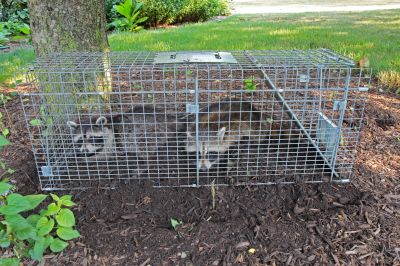
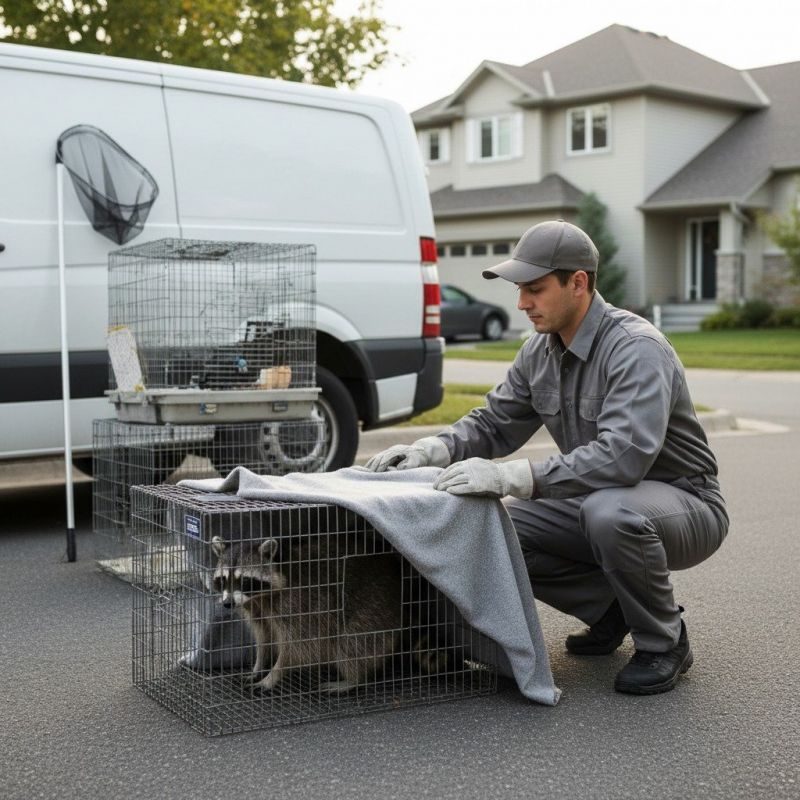
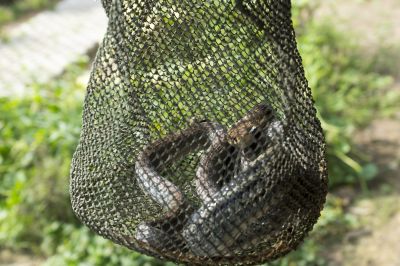
When people search for what to expect during a professional wildlife removal visit, they are often looking for clarity about how the process unfolds and what steps a trained service provider will take to address their wildlife concerns. This topic typically relates to situations where unwanted animals, such as raccoons, squirrels, bats, or birds, have found their way into a property and are causing damage or creating health hazards. Homeowners want to understand the procedures involved, including how wildlife are safely captured and removed, what measures are taken to prevent future invasions, and how the work impacts their daily routines. By understanding what a professional wildlife removal visit entails, property owners can feel more prepared and confident about the process.
The problems leading to a wildlife removal service often involve animals nesting in attics, crawl spaces, chimneys, or wall voids. These situations can result in property damage, noise disturbances, unpleasant odors, and potential health risks due to animal waste or parasites. Many property owners plan to address these issues proactively or reactively after discovering signs of animal activity, such as droppings, chewed wiring, or nesting materials. Wildlife removal contractors are called in to handle these scenarios, offering humane and effective solutions to eliminate the animals and secure the property against future entry. Understanding what to expect during a visit helps homeowners coordinate their schedules and prepare their homes for the work involved.
The types of properties that typically come up during these services include residential homes, especially those with accessible attics, garages, or basements, as well as commercial buildings, barns, and other structures where animals might find entry points. Homes located near wooded areas, parks, or water sources tend to be more prone to wildlife intrusions. Larger properties with extensive rooflines or gaps in siding and foundations can also be common targets for animals seeking shelter. Local service providers are experienced in handling a variety of property types and understand the specific challenges each presents. Recognizing the property features that attract wildlife helps homeowners appreciate how professionals evaluate and address each unique situation during a removal visit.
During a professional wildlife removal visit, homeowners can expect the service provider to conduct a thorough inspection of the property to identify entry points, nesting sites, and signs of animal activity. The process typically involves setting traps or using humane exclusion methods to safely capture the animals. The technician will also discuss the plan for sealing entry points and preventing future invasions, often providing recommendations for repairs or modifications to improve property defenses. Throughout the visit, the focus is on minimizing disruption while ensuring the animals are removed humanely and the property is secured. Understanding these steps helps property owners see how local pros handle wildlife issues professionally, making the process transparent and straightforward.
Attic and Crawl Space Inspections - local contractors often perform detailed inspections of attics and crawl spaces to identify signs of wildlife activity and entry points, which are essential steps in the removal process.
Damage Repair and Prevention - service providers may handle repairs to structural damages caused by wildlife and implement exclusion methods to prevent future intrusions, aligning with planning for effective removal.
Nesting and Den Removal - professionals are experienced in safely removing nests and dens built by animals, a task that involves understanding animal behaviors and appropriate handling techniques.
Animal Trapping and Removal - many local contractors specialize in humane trapping methods tailored to different species, which is a core aspect of wildlife removal visits.
Sanitation and Decontamination - some service providers offer cleaning services to remove droppings, urine, and nesting materials, ensuring the affected areas are properly sanitized after wildlife removal.
Exclusion and Entry Point Sealing - experts often focus on sealing entry points and installing barriers to prevent animals from returning, which is a key part of planning during a wildlife removal visit.
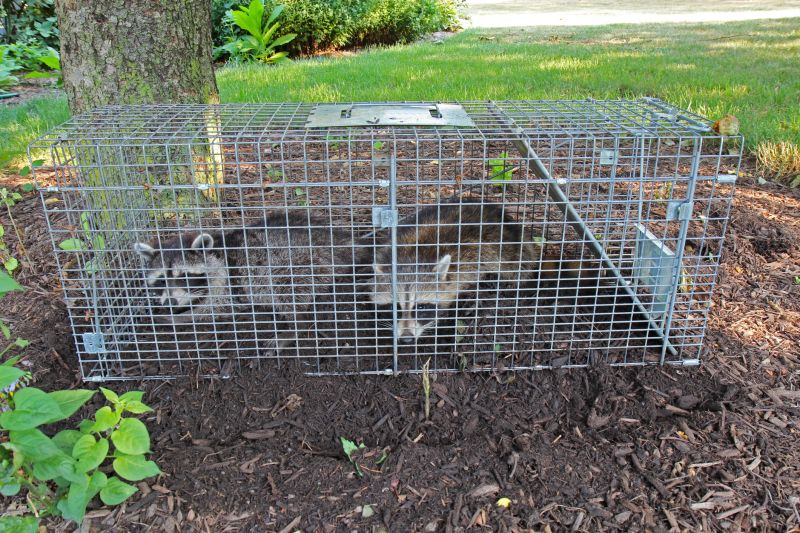
When comparing wildlife removal service providers, it is important to consider their experience with similar projects. Local contractors who have handled a variety of wildlife issues are more likely to understand the nuances of different situations and provide effective solutions. An experienced professional can anticipate common challenges and identify the best methods for humane removal and exclusion, helping to ensure that the process goes smoothly and minimizes potential complications during a wildlife removal visit.
Clear, written expectations are essential when evaluating wildlife removal services. Reputable service providers should be able to outline what the process will involve, including the steps they will take to remove pests, seal entry points, and prevent future intrusions. Having this information in writing helps homeowners understand what to expect during a professional wildlife removal visit and ensures transparency. It also provides a reference point for any questions or concerns that may arise during the project, fostering better communication between the homeowner and the service provider.
Good communication and reputable references are key indicators of quality wildlife removal services. Service providers who are willing to share references or reviews demonstrate transparency and confidence in their work. Clear communication throughout the process allows homeowners to stay informed about progress, ask questions, and receive guidance on follow-up steps. When choosing local contractors, it is beneficial to prioritize those who are responsive, open about their methods, and able to provide evidence of satisfied clients, as this can contribute to a more positive experience during a wildlife removal visit.
Property owners often search for what to expect during a professional wildlife removal visit when they are planning practical projects around their homes and businesses. Local pros provide Wildlife Removal services for everyday jobs and straightforward project options.
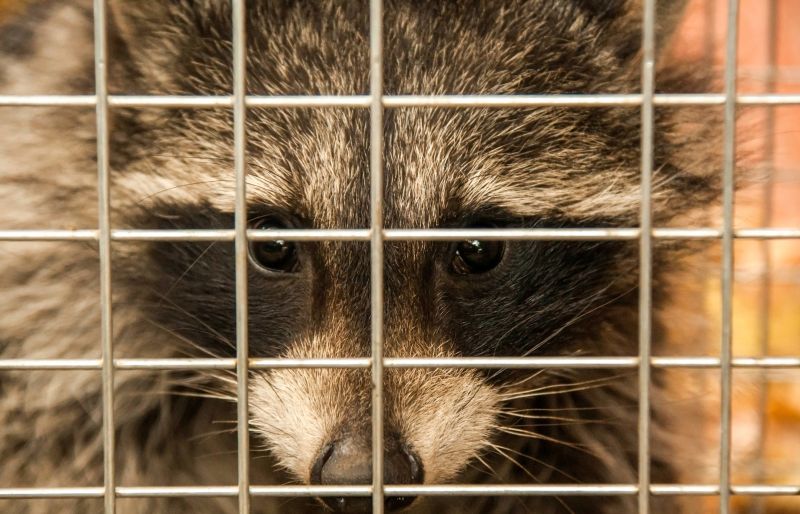
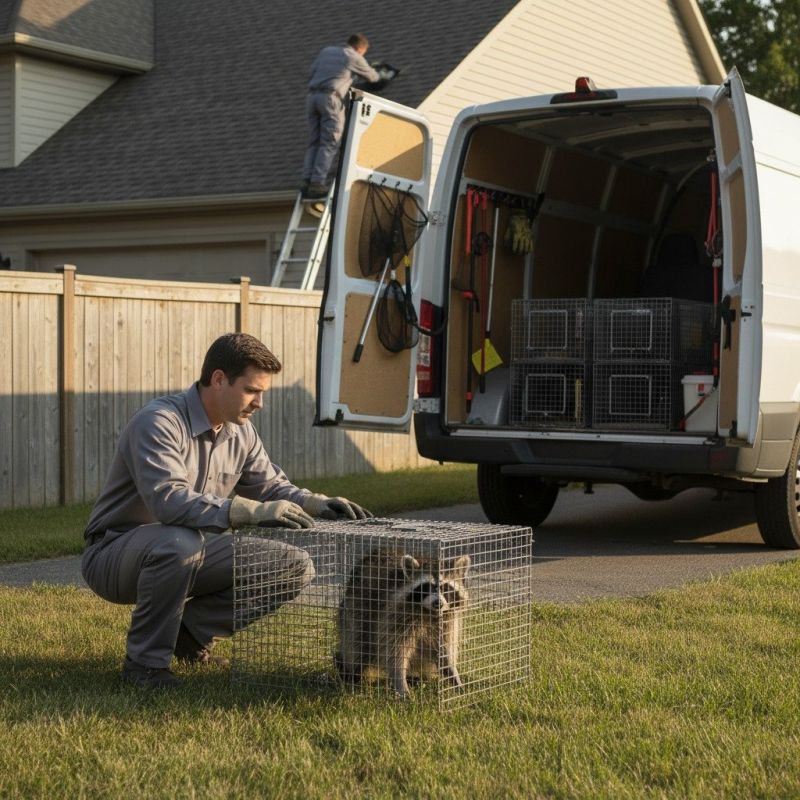
During a professional wildlife removal visit, property owners can generally expect a thorough assessment of the affected areas. Wildlife service providers will typically inspect attics, basements, and other hidden spaces where animals may have entered or taken shelter. They often look for signs such as droppings, chewed wiring, or nesting materials to identify the species involved and determine the extent of the intrusion. This initial evaluation helps ensure that all entry points are identified and that the removal process addresses the root of the problem effectively.
Throughout the visit, local contractors may employ humane techniques to safely remove the wildlife and prevent future issues. This could involve setting traps, sealing entry points, or installing deterrents. Property owners should anticipate some level of disturbance during this process, but professionals aim to minimize disruption while ensuring the job is done thoroughly. Many service providers also offer advice on how to prevent wildlife from returning, giving property owners a clearer understanding of what to expect during and after the visit.
What happens during a professional wildlife removal visit? During a wildlife removal visit, local service providers typically inspect the property to identify the wildlife presence, assess entry points, and determine the best removal methods. They may set traps or use exclusion techniques to safely capture or deter animals. The process often includes evaluating the area for potential damage and advising on repairs to prevent future issues.
Will the wildlife removal technician enter my home or property? Yes, wildlife removal professionals may need to access attic spaces, crawl spaces, or other areas where animals are active. They use safe and humane methods to access these spaces and ensure animals are removed without causing unnecessary damage or disturbance.
What tools or equipment do local pros typically use during a visit? Local wildlife removal service providers often use traps, exclusion devices, protective gear, and inspection tools such as flashlights and cameras. These tools help identify animal activity and facilitate humane removal while ensuring safety for both the animals and the technicians.
Are there any signs that indicate wildlife presence during a visit? Signs of wildlife presence include droppings, chewed wiring or insulation, nesting materials, and strange noises. During a visit, professionals look for these indicators to confirm animal activity and plan effective removal strategies.
What should homeowners expect after the wildlife removal visit? After the visit, local pros may recommend sealing entry points, cleaning affected areas, and making repairs to prevent future intrusions. They may also provide advice on how to monitor the property for signs of new wildlife activity.
Initial assessment - Property owners can expect the wildlife removal specialists to evaluate the affected areas to identify entry points and the types of animals involved.
Explanation of procedures - Local contractors will outline the removal methods and humane practices used during the visit, helping owners understand what will happen.
Inspection of property access points - Professionals will identify and discuss potential entry points that need sealing to prevent future wildlife issues.
Post-removal recommendations - Service providers can advise on steps to secure the property and maintain a wildlife-free environment after the visit.
If you are thinking about what to expect during a professional wildlife removal visit for a property, this guide is meant to help you understand this topic, the typical project types, and how different options might fit your plans.
When you are ready, you can use the quote form on this page to share a few details about your project. From there, local pros can review the basics and follow up with options that match what you have in mind.