How Moles Destroy Lawns, Roots, and Irrigation Systems
People searching for yard mole removal are typically looking to prevent moles from damaging lawns, roots, and irrigation systems, and local contractors can help eliminate these pests effectively.
Property owners in the area who notice unusual mounds, tunnels, or damaged lawn areas may find themselves facing the consequences of how moles destroy lawns, roots, and irrigation systems. These small creatures can cause significant disruption beneath the surface, leading to uneven turf, weakened plant health, and compromised irrigation lines. Understanding the impact of mole activity is essential for maintaining a healthy, lush landscape and preventing costly repairs. Exploring professional yard mole removal services can help identify the extent of the problem and implement effective solutions to protect your property’s natural beauty.
If moles are turning your yard into a maze of tunnels or causing damage to underground irrigation, connecting with experienced local contractors can make a difference. These specialists have the knowledge and tools to safely remove moles and address the root causes of their activity, helping to restore your lawn’s integrity. Keep reading to learn more about how moles can impact your landscape and discover practical ways that local service providers can assist in safeguarding your outdoor space.
- Common Projects - Local contractors can remove moles that damage lawns, roots, and irrigation systems, restoring yard health.
- Mole removal services are needed when tunnels and mounds threaten the stability of underground irrigation components.
- Homeowners experiencing uneven ground or compromised plant roots may seek local pros to address mole activity.
- Professionals can implement effective mole control methods to prevent further destruction of lawns and underground systems.
- Contact local service providers to evaluate and eliminate moles that compromise the integrity of lawns, roots, and irrigation infrastructure.
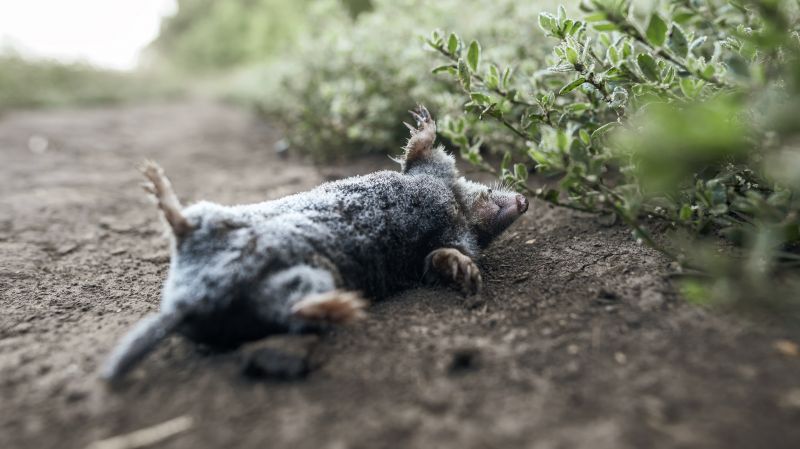
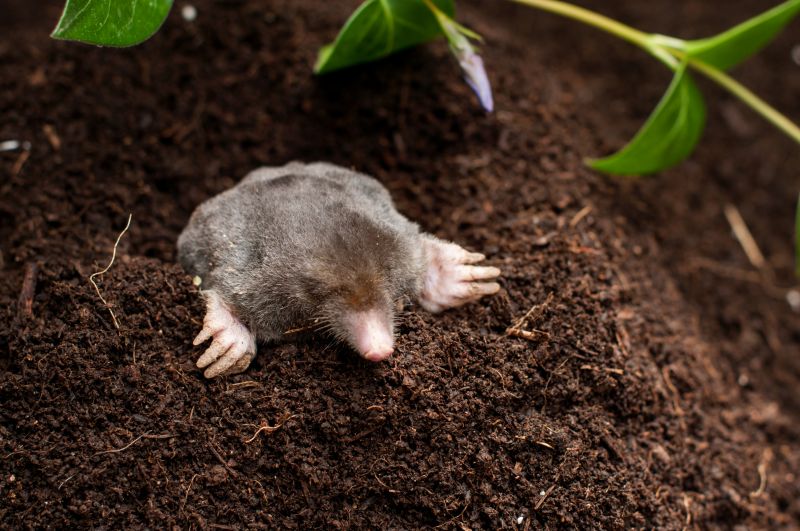
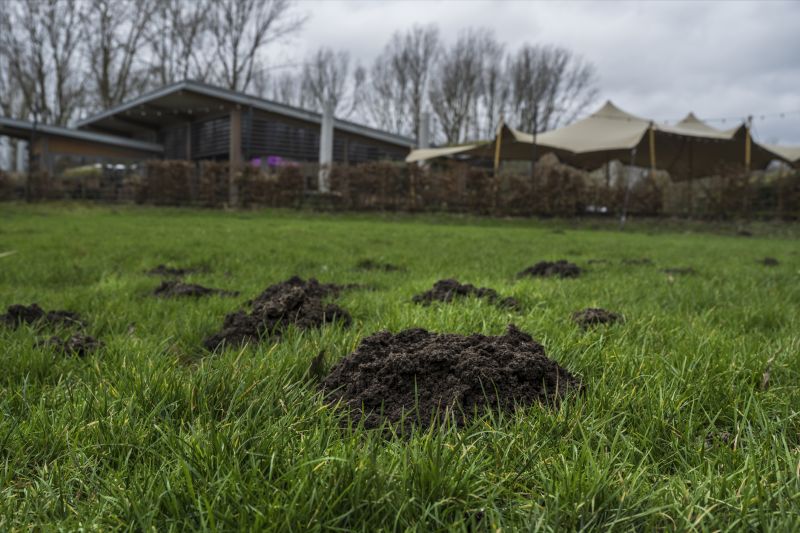
When people search for information on how moles destroy lawns, roots, and irrigation systems, they are often trying to understand the damage these burrowing animals can cause to their property. Moles are small, subterranean mammals that dig extensive tunnel systems beneath the surface of the yard. These tunnels can create unsightly ridges and mounds that disrupt the smooth appearance of a lawn. Homeowners may notice increased mole activity when their yard develops raised areas or when they see fresh soil displaced in their landscaping. This search often stems from concerns about the health of their lawn, the integrity of underground irrigation lines, or the safety of roots supporting trees and plants.
The problems associated with moles extend beyond just surface disturbances. Their tunneling habits can severely damage the root systems of grass, shrubs, and trees by disrupting soil stability and oxygen flow. This can lead to weakened plant health or even death if roots are extensively disturbed. Additionally, the extensive network of tunnels can interfere with irrigation systems, causing pipes to break or shift, which leads to leaks and water wastage. Homeowners planning lawn renovations or trying to maintain a lush, healthy landscape often relate these issues to their ongoing struggles with mole activity, prompting them to seek professional help.
Certain types of properties are more prone to mole-related damage. Lawns with rich, loose soil and abundant insect activity tend to attract moles, as they feed on earthworms and grubs found in such environments. Residential yards with extensive landscaping, vegetable gardens, or ornamental plants are particularly vulnerable because the damage can be both aesthetic and functional. Properties with underground irrigation systems are also at higher risk, as mole tunnels can compromise pipe integrity and lead to costly repairs. These issues are common in suburban neighborhoods, rural properties, and any area where the soil provides a favorable habitat for moles.
Local service providers specializing in yard mole removal are equipped to address these problems effectively. They understand how moles destroy lawns, roots, and irrigation systems and can implement targeted removal or exclusion strategies. Homeowners dealing with mole activity can benefit from consulting with these pros to assess the extent of damage and develop a plan to restore their landscape. Whether it involves trapping, barrier installation, or other techniques, experienced contractors can help manage mole populations and prevent future damage, ensuring the health and appearance of the yard are preserved.
Gopher and vole removal services involve pest control techniques similar to mole eradication, requiring knowledge of underground burrow systems and trapping methods.
Landscape drainage and irrigation repair projects often address damage caused by burrowing pests that disrupt underground systems, paralleling mole-related damage to lawns and irrigation infrastructure.
Soil aeration and lawn leveling are essential for restoring damaged turf and can be part of a comprehensive approach to repair after mole activity has compromised the lawn’s health.
Root pruning and tree care services may be needed when moles disturb root systems, requiring careful planning and underground work similar to that used in mole damage mitigation.
Garden and yard excavation projects involve digging and soil disturbance techniques that are applicable when removing mole tunnels or repairing affected areas.
Wildlife exclusion and barrier installation services help prevent future mole activity, utilizing planning and installation skills relevant to protecting lawns and irrigation systems from pests.
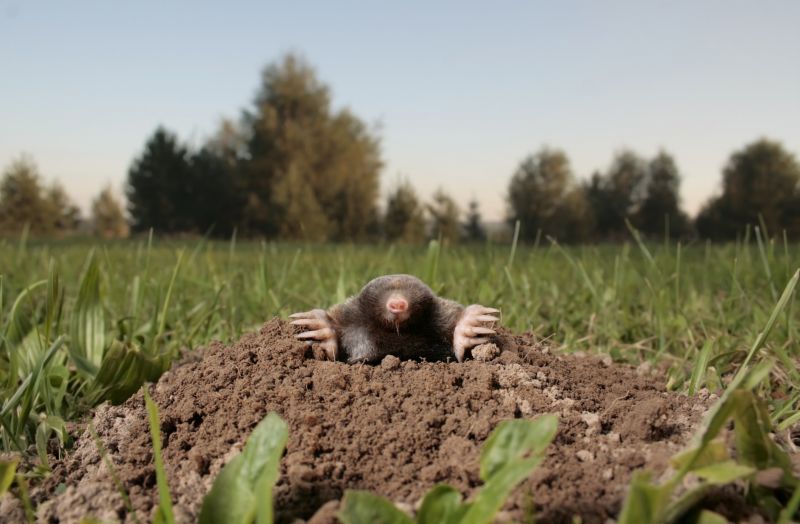
When comparing service providers for yard mole removal, it is important to consider their experience with similar projects, particularly those involving the destruction caused by moles to lawns, roots, and irrigation systems. An experienced contractor will have a clear understanding of how moles create tunnels, damage plant roots, and compromise irrigation infrastructure, which can help ensure the work is performed effectively. Homeowners should inquire about the contractor’s background with mole control and damage repair to gauge their familiarity with the specific challenges posed by these pests in residential landscapes.
Clear written expectations are essential when evaluating potential contractors. A reputable service provider will be able to communicate the scope of work, methods used, and what results the homeowner can expect. This transparency helps prevent misunderstandings and ensures that everyone is on the same page regarding the process of removing moles and addressing the damage they cause. Homeowners should seek out providers who can offer detailed explanations and written estimates that outline the services included, so they can compare options accurately.
Good communication and reputable references are key indicators of a reliable contractor. Service providers who are responsive, willing to answer questions, and provide references from previous clients demonstrate professionalism and accountability. Contacting past customers can reveal insights into the contractor’s reliability, quality of work, and ability to handle issues that may arise during the project. When selecting a local contractor for mole removal and damage repair, it’s beneficial to prioritize those who maintain open lines of communication and can provide evidence of their experience through references or reviews, helping ensure the work will be handled competently and transparently.
Property owners often search for how moles destroy lawns, roots, and irrigation systems when they are planning practical projects around their homes and businesses. Local pros provide Yard Mole Removal services for everyday jobs and straightforward project options.
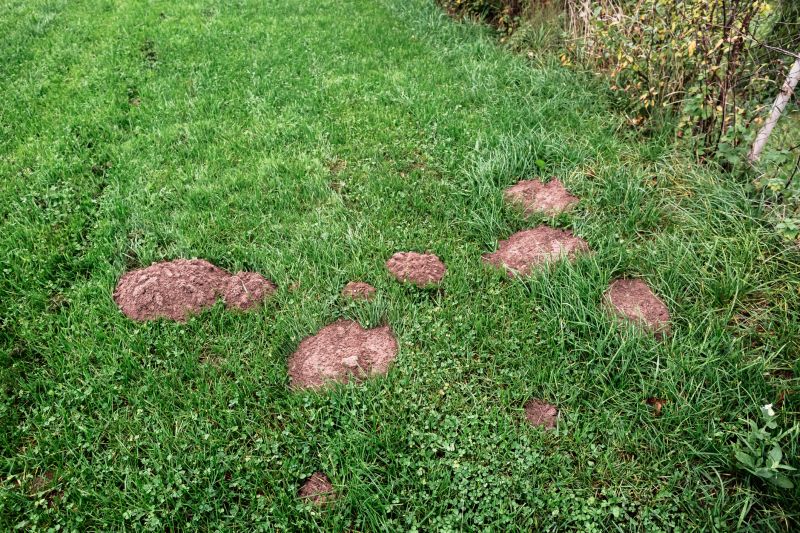
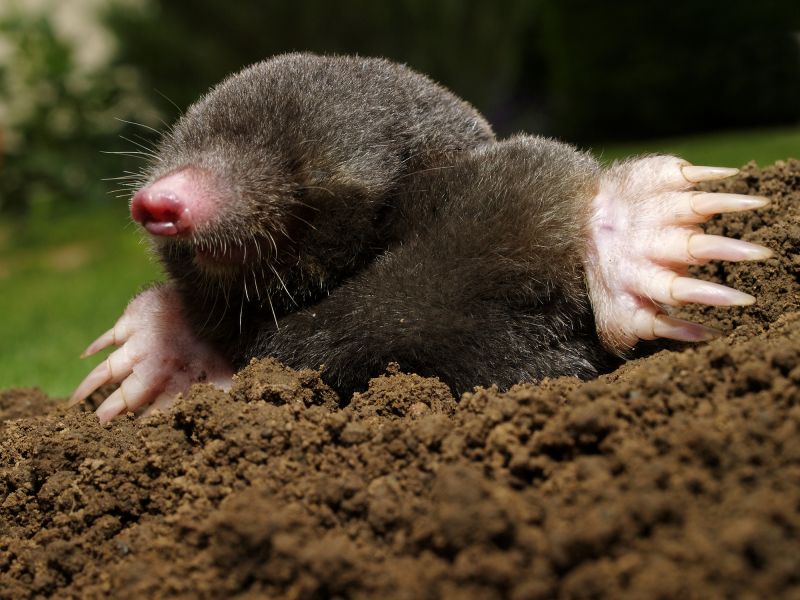
Moles can cause significant damage to lawns, roots, and irrigation systems through their tunneling activities. As they burrow beneath the surface, they create a network of underground tunnels that can disturb the root systems of grass and plants, leading to patchy, uneven lawns. Their constant movement can also weaken the integrity of irrigation lines, causing leaks or blockages that disrupt water flow and irrigation efficiency. Property owners who notice unusual mounding or raised ridges in their yard often seek out local contractors experienced in mole removal to prevent further damage and restore the health of their outdoor spaces.
In many cases, the presence of moles can result in costly repairs if their activity goes unchecked. Damage to underground irrigation systems may lead to water wastage or the need for extensive repairs, while compromised roots can cause plants and grass to die back or become more susceptible to disease. Local service providers specializing in yard mole removal can help address these issues by implementing effective removal strategies and preventing future tunneling problems. Property owners concerned about how moles destroy lawns, roots, and irrigation systems often turn to these experts to protect and maintain the integrity of their outdoor environments.
How do moles damage lawns and irrigation systems? Moles create extensive tunnel systems that can disturb the soil structure, leading to uneven grass and potential damage to underground irrigation lines. Their burrowing can cause roots to become exposed or broken, affecting plant health and system integrity.
Can mole activity harm plant roots? Yes, moles often dig near plant roots, which can disturb or sever them, leading to weakened plants or death. This activity can also create pathways for pests or diseases to enter the root zone.
What signs indicate moles are destroying my lawn and irrigation? Signs include raised ridges, numerous surface tunnels, and small mounds of soil. Damage to irrigation lines or roots may appear as soggy patches, dead spots, or uneven watering patterns.
How can local service providers help prevent further damage? Local pros can implement trapping, exclusion, or habitat modification techniques to reduce mole activity. They can also inspect and repair any damage to roots and irrigation systems caused by moles.
Are there effective ways to protect my lawn and irrigation from moles? Yes, experienced contractors can install barriers or use deterrents to discourage moles from tunneling near critical areas. Regular inspections and maintenance can also help prevent ongoing damage.
Identify mole activity early - recognizing signs of mole tunneling can help property owners take prompt action with yard mole removal services from local contractors.
Assess damage to lawns and irrigation - understanding how moles destroy roots and underground systems allows for targeted repairs and mole control strategies.
Implement preventive measures - applying barriers or deterrents suggested by local pros can reduce future damage caused by moles.
Schedule regular inspections - periodic evaluations by yard mole removal experts help maintain healthy lawns and protect underground infrastructure.
If you are thinking about how moles destroy lawns, roots, and irrigation systems for a property, this guide is meant to help you understand this topic, the typical project types, and how different options might fit your plans.
When you are ready, you can use the quote form on this page to share a few details about your project. From there, local pros can review the basics and follow up with options that match what you have in mind.