Signs Your Commercial Property Has a Small Animal Issue
If you notice signs your commercial property has a small animal issue, local service providers can identify the problem and safely remove the animals.
If a commercial property owner notices unusual noises, droppings, or signs of damage, it could indicate the presence of small animals seeking shelter or food. Recognizing these early warning signs is essential for maintaining a safe and secure environment for employees, clients, and visitors. Property owners in the area might explore this topic to prevent potential health risks, avoid structural damage, or simply ensure their space remains clean and functional. Understanding what to look for can help identify small animal issues before they become more serious, encouraging property owners to seek assistance from experienced local contractors who specialize in small animal removal services.
Keeping an eye out for signs such as gnaw marks, nests, or persistent odors can help determine if small animals have taken up residence on a commercial site. Addressing these issues promptly not only protects the property but also minimizes disruptions to daily operations. Local service providers who focus on small animal removal are equipped to handle these situations efficiently, offering solutions that help restore a safe and comfortable environment. Exploring these signs and options ensures property owners can take informed steps toward resolving small animal issues effectively.
- Small animal trapping - when signs like gnaw marks or droppings indicate a small animal has entered a commercial building, local contractors assess entry points and set traps to remove the pests effectively.
- Exclusion services - if you notice sounds or damage suggesting small animals are nesting within walls or attics, local service providers can identify entry points and seal them to prevent re-entry.
- Rodent proofing - signs of small animals such as chewed wiring or insulation damage prompt local pros to reinforce building openings and install barriers to keep pests out.
- Sanitation and cleanup - when droppings or urine stains are present, local contractors safely remove debris and disinfect affected areas to eliminate health risks associated with small animals.
- Inspection and assessment - noticing unusual noises or odors can lead to a professional inspection by local service providers who evaluate the extent of the small animal issue and recommend appropriate removal methods.
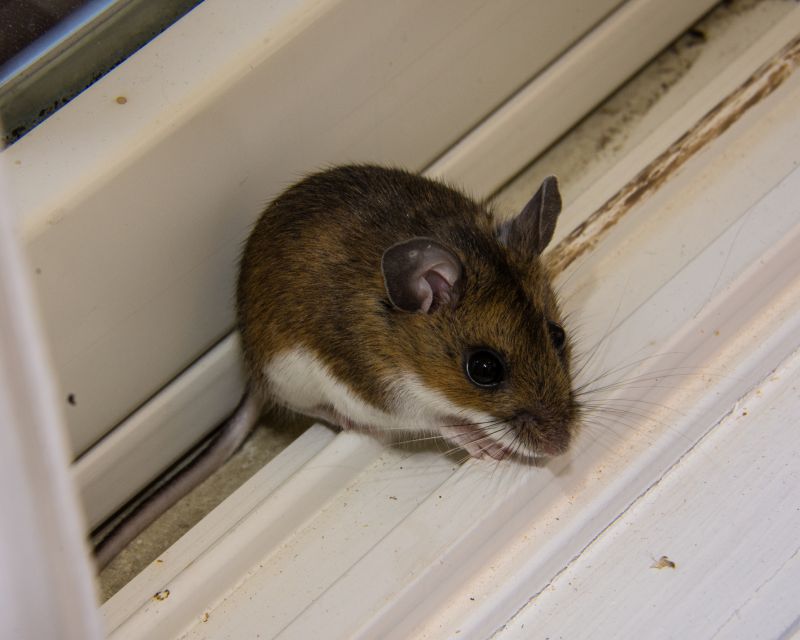
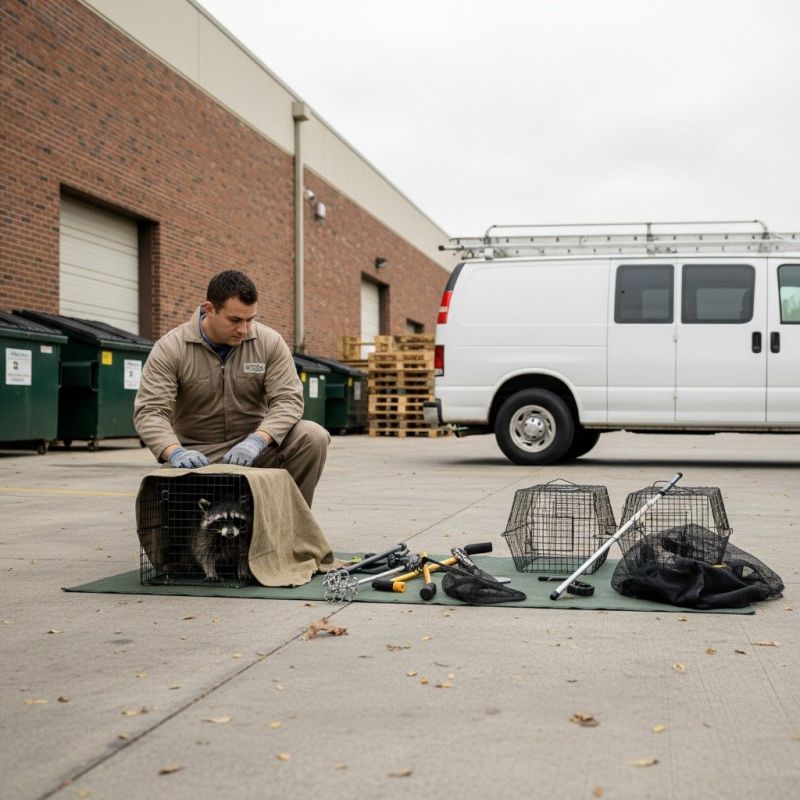
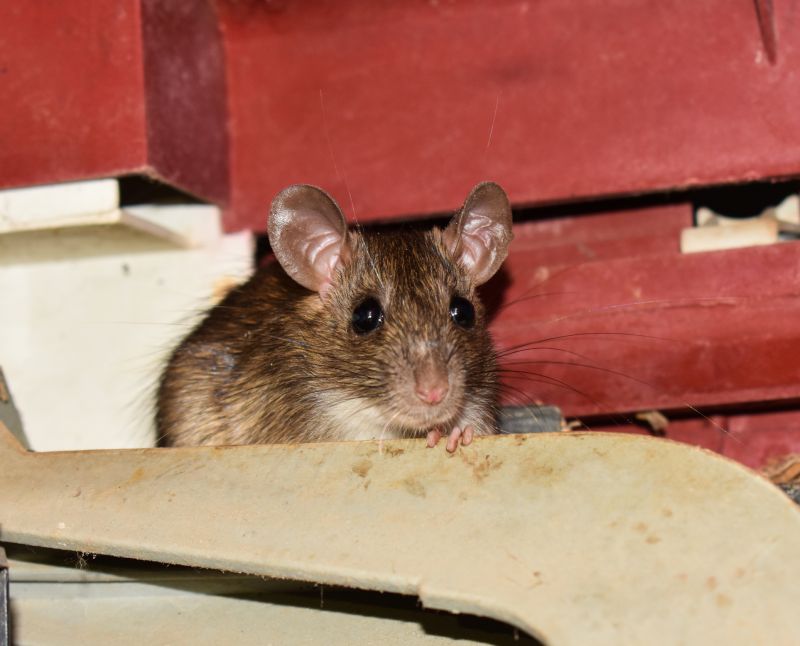
When people search for signs your commercial property has a small animal issue, they are typically looking for clues that indicate the presence of unwanted critters such as rodents, squirrels, raccoons, or other small mammals. These signs can include unusual noises within walls or ceilings, droppings found in storage areas or along baseboards, and damage to structural elements like insulation, wiring, or stored goods. Recognizing these indicators early is important because small animals can quickly multiply and cause significant damage or health concerns if left unaddressed. Business owners or property managers often want to identify these issues promptly to prevent disruptions, safeguard their investments, and maintain a safe environment for employees and visitors.
This topic relates closely to plans for property maintenance, pest control, and damage prevention. Small animals can infiltrate buildings through tiny openings, such as gaps around utility lines, vents, or foundation cracks. Once inside, they may nest in hidden spaces, chew through electrical wiring, or create messes that compromise building integrity. Addressing a small animal issue might involve sealing entry points, removing nests, and implementing ongoing monitoring to prevent future invasions. Local service providers specializing in small animal removal can assist with these tasks, offering effective solutions that help property owners restore safety and security. Recognizing the signs of a problem allows for timely intervention, reducing the risk of costly repairs and health hazards.
Commercial properties that typically encounter small animal issues include warehouses, retail stores, office buildings, and industrial facilities. These structures often have large storage areas, accessible attics, or crawl spaces that provide ideal nesting sites. Properties with extensive landscaping or nearby wooded areas may also be more prone to animal intrusions, especially if there are gaps or damage to the building’s exterior. Additionally, properties with ongoing construction or remodeling projects may inadvertently create new entry points for small animals. Understanding the types of properties most at risk helps owners and managers stay vigilant for signs of infestation and seek professional assistance when necessary.
Local contractors who specialize in small animal removal play a vital role in addressing these issues effectively. They can conduct thorough inspections to identify the source of the problem, remove any animals safely, and implement measures to prevent future invasions. These service providers understand the common entry points and behavioral patterns of different small animals, enabling them to tailor solutions that fit the specific needs of each property. Engaging with experienced professionals ensures that small animal issues are handled efficiently, minimizing disruption and protecting the property’s structural and sanitary conditions. Recognizing the signs early and working with local experts can make a significant difference in maintaining a safe, animal-free commercial space.
Attic and Insulation Inspection - Professionals who perform attic and insulation inspections can identify signs of small animal activity, such as droppings or chewed wiring, which are common indicators of an infestation.
Building Damage Repair - Contractors specializing in building repair and restoration often handle damage caused by small animals, including holes, chewed wood, or compromised roofing materials.
Pest and Wildlife Control - Wildlife control experts are experienced in safely removing small animals and sealing entry points to prevent future issues, making their skills relevant to this topic.
Ventilation and Duct Cleaning - Service providers who clean and maintain ventilation systems can detect and address contamination or nesting signs caused by small animals within ductwork.
Roofing and Gutter Services - Roofing contractors and gutter specialists often deal with small animal entry points, such as damaged soffits or clogged gutters that attract pests.
Structural Assessment and Planning - Structural assessment professionals evaluate property vulnerabilities that allow small animals to enter, helping to inform effective removal and prevention strategies.
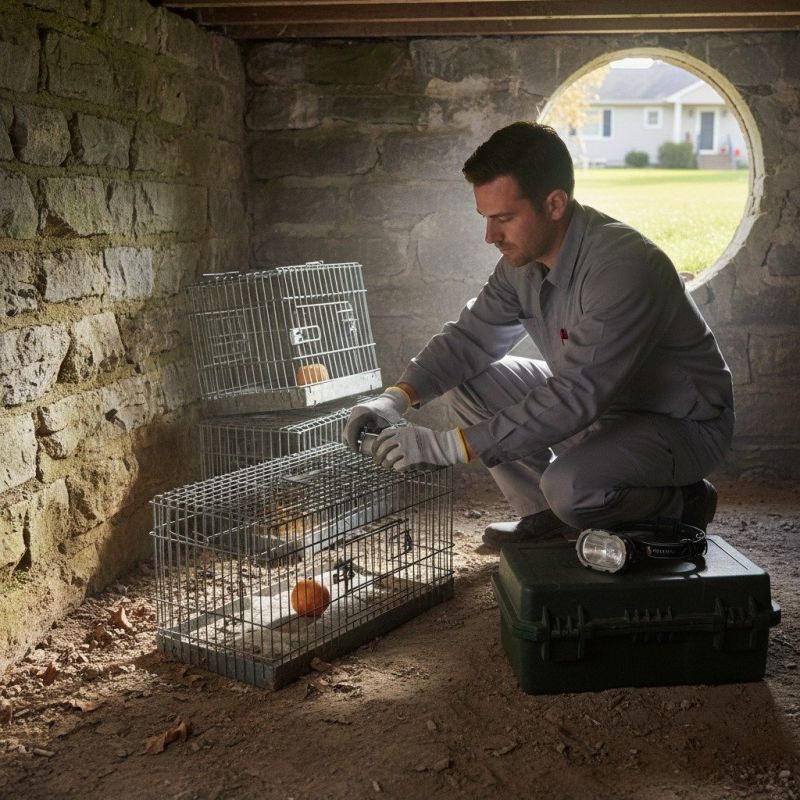
When comparing service providers for small animal removal on a commercial property, it is important to consider their experience with similar projects. Contractors who have handled small animal issues in commercial settings are more likely to understand the unique challenges such properties present, such as access points, building structures, and the types of animals commonly involved. Asking about their past work with similar projects can provide insight into their familiarity with the scope and complexity of the job, helping to ensure the chosen provider has the practical knowledge needed to address the situation effectively.
Clear written expectations are essential when evaluating local contractors for small animal removal services. A reputable service provider should be able to outline the process, including inspection procedures, removal methods, and post-removal measures. Having these details in writing helps establish a mutual understanding of what the job entails and can prevent misunderstandings later on. It also demonstrates professionalism and transparency, which are important factors when selecting a contractor for a project that involves sensitive issues like wildlife removal.
Good communication and reputable references are key indicators of a reliable service provider. Contractors who are responsive and willing to answer questions about their experience, methods, and policies can make the process smoother and more transparent. Additionally, requesting references from previous clients-particularly those who had similar small animal issues-can provide valuable insights into the contractor’s reliability and quality of work. These references can help verify that the service provider has a track record of successfully handling small animal removal projects and maintaining clear, ongoing communication throughout the process.
Property owners often search for signs your commercial property has a small animal issue when they are planning practical projects around their homes and businesses. Local pros provide Small Animal Removal services for everyday jobs and straightforward project options.
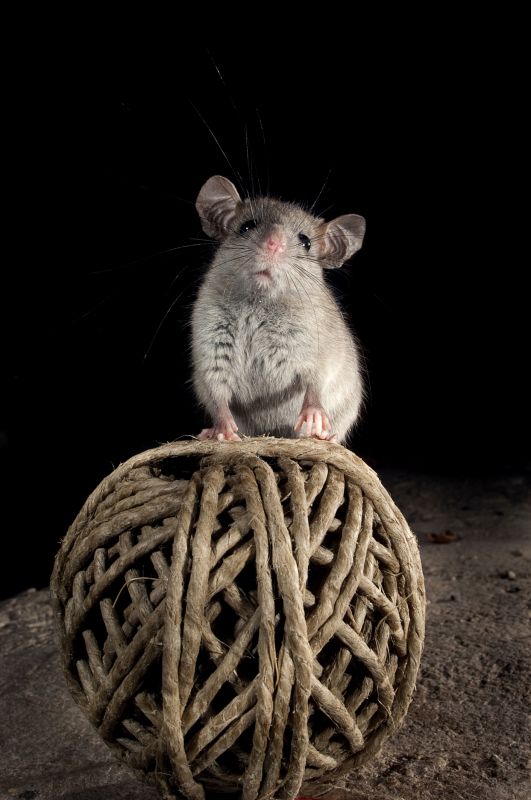
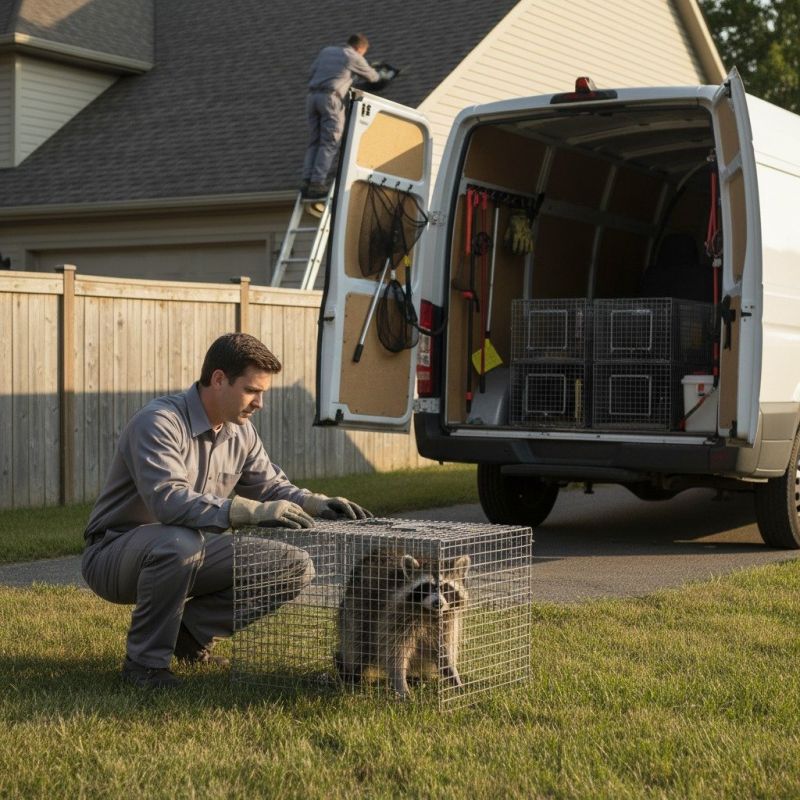
Recognizing signs that a commercial property has a small animal issue can often come down to noticing unusual activity or damage. For example, hearing scratching sounds within walls or ceilings, discovering small droppings in storage areas, or noticing chewed wiring and insulation are common indicators. Property owners in the area might find these signs during routine inspections or while performing daily operations, prompting them to seek assistance from local contractors experienced in small animal removal.
Other telltale signs include foul odors lingering in certain areas or noticing small holes or gnaw marks around entry points. These issues can pose risks to both the building’s integrity and safety, making it important for property owners to consider professional help. Local service providers who specialize in small animal removal can assess the situation, identify the extent of the problem, and implement effective solutions to ensure the space remains safe and animal-free.
What are common signs that small animals have entered a commercial property? Unusual noises such as scratching or scurrying, droppings in hidden areas, and gnaw marks on building materials can indicate a small animal presence.
How can I tell if small animals are nesting inside the building? Signs include shredded insulation, nesting materials, or a strong, musky odor near walls or ceilings, suggesting animals are nesting inside.
What indications suggest small animals are causing damage to the property? Chewed wiring, damaged insulation, or holes in walls and ceilings are common signs of small animal activity that can lead to property damage.
Are there any visible signs of small animals on the exterior of a commercial property? Droppings near entry points, burrow entrances, or chewed vegetation around the building's perimeter can indicate small animal activity outside.
When should a business consider professional small animal removal services? If signs of small animal presence persist or if there's evidence of damage or health concerns, local service providers can assess and handle the removal safely and effectively.
Unusual Noises - Detecting scratching, scurrying, or squeaking sounds inside walls or ceilings can indicate a small animal issue, prompting property owners to seek help from local contractors.
Droppings and Nests - Finding small animal droppings or nesting materials around the property can signal an infestation, encouraging the use of small animal removal services.
Chewed Wires or Materials - Noticing chewed wires, insulation, or stored items may suggest small animals are active on the premises, leading to professional removal solutions.
Unpleasant Odors - Detecting persistent, unusual odors can be a sign of small animals in hidden areas, prompting property owners to consider local service providers for removal.
If you are thinking about signs your commercial property has a small animal issue for a property, this guide is meant to help you understand this topic, the typical project types, and how different options might fit your plans.
When you are ready, you can use the quote form on this page to share a few details about your project. From there, local pros can review the basics and follow up with options that match what you have in mind.