Seasonal Wildlife Problems for Homeowners
To address seasonal wildlife problems for homeowners, local contractors can help remove animals, prevent infestations, and protect your property effectively.
Homeowners encountering seasonal wildlife problems often find that animals such as raccoons, squirrels, or birds become more active around their properties during certain times of the year. These issues can lead to property damage, health concerns, or simply unwanted visitors that disrupt daily life. Exploring solutions for managing these seasonal challenges is a practical step for property owners who want to protect their homes and maintain a safe, comfortable environment throughout the year. Local contractors specializing in wildlife removal offer tailored services to address these problems effectively, ensuring that animals are handled humanely and property is safeguarded.
Understanding the seasonal patterns of local wildlife can help homeowners anticipate and prevent potential issues before they escalate. Whether it’s preventing raccoons from nesting in attics or managing bird populations during migration seasons, there are proactive steps that can be taken. Connecting with experienced service providers in the area can provide the expertise needed to implement humane removal and exclusion strategies. Keep reading to learn more about common seasonal wildlife problems and how local contractors can assist in resolving them efficiently.
- Bird exclusion services - needed when birds are nesting in eaves or attic spaces, with local contractors implementing humane deterrent methods.
- Squirrel removal - required during peak squirrel activity seasons when they invade attics or wall voids, with service providers using targeted trapping techniques.
- Bat exclusion - necessary when bats roost in roof vents or behind siding, with local pros safely sealing entry points to prevent future visits.
- Raccoon control - needed when raccoons are tearing through trash or nesting near the home, with specialists employing humane trapping and exclusion strategies.
- Skunk removal services - sought when skunks dig under porches or decks, with local contractors addressing the problem through humane removal and habitat modification.
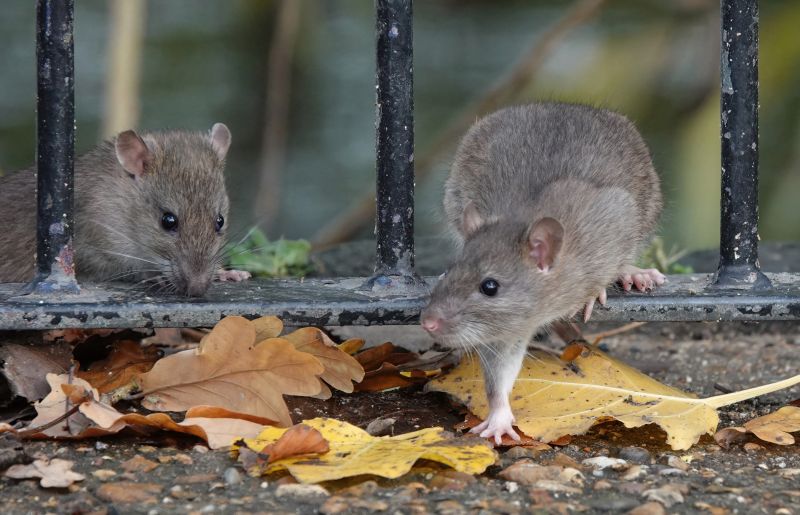
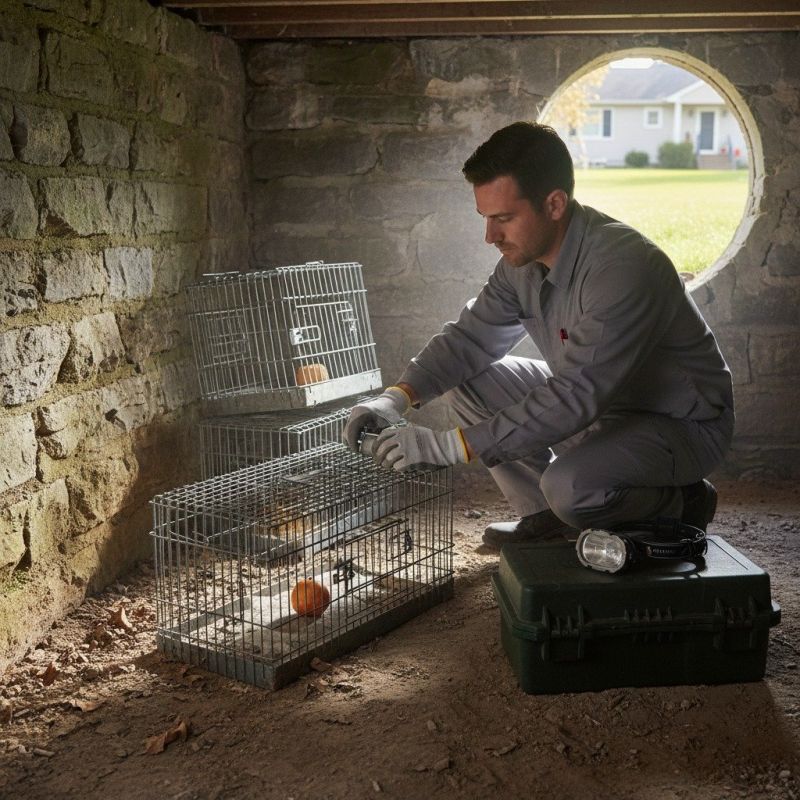
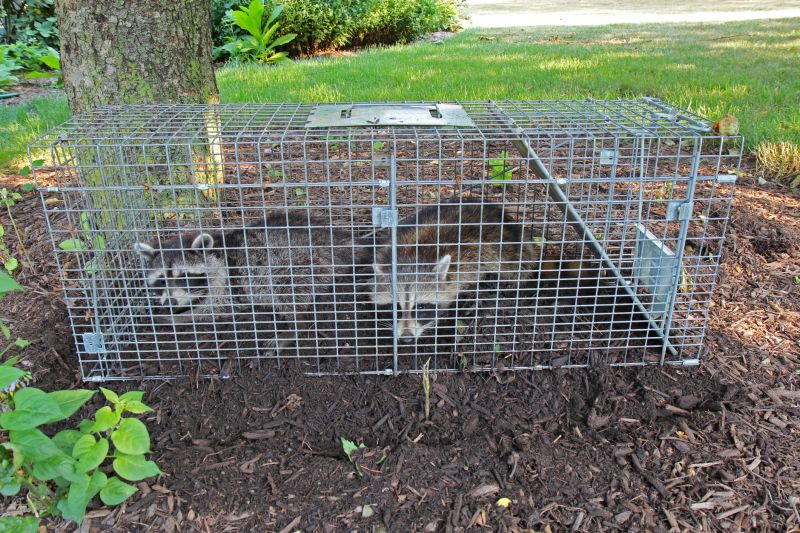
Seasonal wildlife problems for homeowners are issues that tend to arise at specific times of the year, often linked to the natural behaviors and life cycles of local animals. When homeowners search for this topic, they are usually looking for information about animals that become more active or problematic during particular seasons, such as spring, summer, fall, or winter. Common concerns include animals seeking shelter in attics or crawl spaces, nesting in yards or on roofs, or becoming a nuisance due to noise, droppings, or damage to property. Understanding these seasonal patterns can help homeowners anticipate when problems might occur and plan appropriate solutions to prevent or address wildlife intrusions.
These seasonal wildlife issues often relate to plans for removal, exclusion, or preventive measures. For example, homeowners may need to remove raccoons, squirrels, bats, or birds that have taken up residence in their homes or around their property during certain seasons. Additionally, many seek to implement exclusion strategies to prevent animals from re-entering or nesting again, especially after the breeding season. These projects can also involve repairs to damaged vents, soffits, or rooflines, as well as installing barriers or deterrents to keep wildlife out during vulnerable times. Local service providers specializing in seasonal wildlife removal are equipped to handle these specific challenges, offering humane and effective solutions tailored to the time of year and the types of animals involved.
The types of properties most affected by seasonal wildlife problems tend to vary but generally include residential homes with attics, basements, or crawl spaces that provide access points for animals. Homes with trees close to the structure or with gaps in roofing, siding, or vents are especially vulnerable. Rural properties, cabins, and vacation homes often experience similar issues, particularly when they are less frequently occupied or maintained. Urban and suburban residences are also at risk, especially those with mature landscaping or accessible rooflines. Recognizing the property features that attract wildlife during different seasons can help homeowners better prepare and seek the right local contractors who specialize in seasonal wildlife management.
Understanding seasonal wildlife problems for homeowners highlights how these issues are connected to the natural behaviors of local animals and the characteristics of specific properties. Local service providers play a key role in addressing these challenges through removal, exclusion, and property repairs. By working with experienced contractors familiar with seasonal patterns, homeowners can develop effective strategies to minimize wildlife conflicts year-round. Whether it involves preventing raccoons from rummaging through trash in the fall or bats roosting in attic spaces during summer, these professionals provide the expertise needed to manage seasonal wildlife problems safely and humanely. Contacting local experts ensures that solutions are tailored to the specific seasonal issues faced in each property.
Bird Control Projects - These involve installing deterrents and barriers to prevent seasonal bird issues, which often coincide with wildlife problems for homeowners.
Bat Exclusion Services - Local contractors can handle safe removal and exclusion of bats that may enter homes during certain seasons, addressing wildlife concerns.
Rodent Proofing Projects - These projects focus on sealing entry points and setting traps to manage rodent activity that peaks during specific times of the year.
Fence and Barrier Installations - Installing physical barriers can help keep out wildlife that causes seasonal problems, requiring planning and proper tools.
Tree and Roof Maintenance - Trimming and inspecting trees and roofs helps prevent wildlife from nesting or entering homes during seasonal changes.
Wildlife Habitat Modification - Adjusting yard and landscape features can reduce attractants for seasonal wildlife, with local service providers able to assist.
When evaluating service providers for seasonal wildlife problems for homeowners, it is important to consider their experience with similar projects. Homeowners should inquire about how long local contractors have been handling wildlife removal and what types of wildlife they have managed in past jobs. An experienced professional will be familiar with the common seasonal issues that arise in the area and will have developed effective strategies for addressing them. This familiarity can help ensure that the chosen provider understands the specific challenges of wildlife activity during different times of the year and can implement appropriate solutions.
Clear written expectations are essential when comparing local contractors for wildlife removal services. Homeowners should seek detailed descriptions of the scope of work, including how the wildlife will be removed, what repairs or exclusions might be involved, and any follow-up measures. Having this information in writing helps prevent misunderstandings and provides a basis for evaluating whether a contractor’s approach aligns with the homeowner’s needs. Transparency about the process also allows for better communication and ensures that all parties are on the same page regarding the work to be performed.
Reputable references and effective communication are key factors in selecting a reliable service provider. Homeowners are encouraged to ask for references from previous clients who had similar seasonal wildlife problems for homeowners. Contacting these references can provide insights into the contractor’s professionalism, reliability, and quality of work. Additionally, good communication throughout the process-prompt responses to questions, clarity in explaining options, and openness to concerns-can greatly influence the overall experience. Choosing local contractors known for clear, consistent communication and positive references can help ensure that the wildlife removal process proceeds smoothly and meets expectations.
Property owners often search for seasonal wildlife problems for homeowners when they are planning practical projects around their homes and businesses. Local pros provide Seasonal Wildlife Removal services for everyday jobs and straightforward project options.
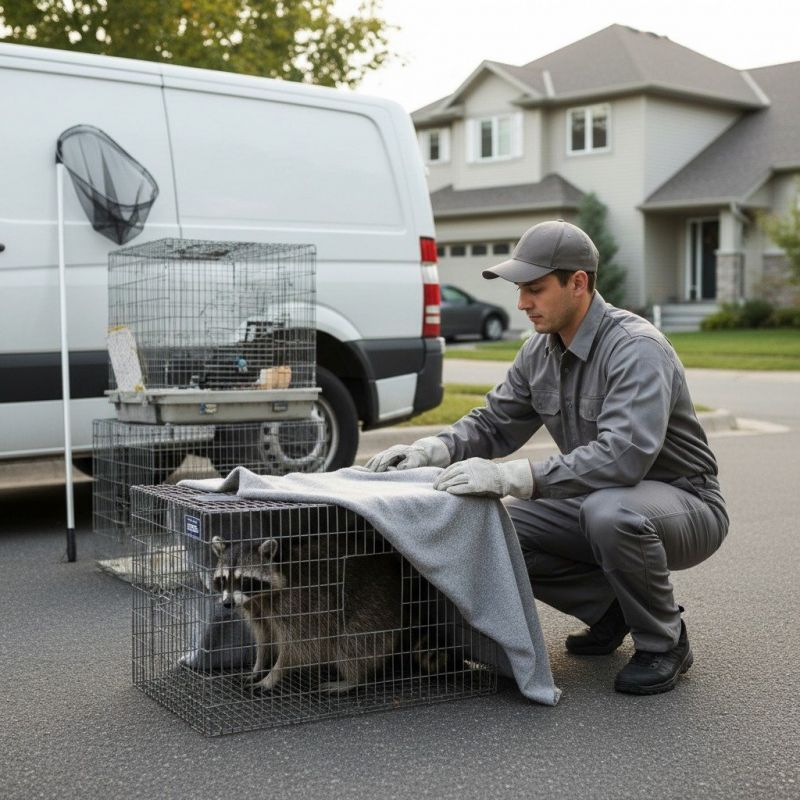
Seasonal wildlife problems for homeowners often arise during specific times of the year when certain animals become more active around properties. For example, squirrels may seek shelter in attics during the fall, while birds might build nests in eaves or gutters during spring. These issues can lead to property damage or attract other pests, prompting homeowners to look for simple, effective solutions. Local contractors specializing in wildlife removal can assess the situation and implement humane, efficient methods to handle these seasonal intrusions, helping to protect the home’s integrity and prevent future problems.
Many property owners search for seasonal wildlife removal services to address common challenges such as raccoons rummaging through trash or bats roosting in attic spaces. These issues tend to intensify during particular seasons, making timely intervention important. Connecting with experienced service providers can ensure that wildlife is removed safely and that entry points are sealed properly. This proactive approach helps homeowners maintain a safe, pest-free environment while avoiding the inconvenience and potential damage caused by unwanted animals during peak activity periods.
What types of wildlife are common during seasonal wildlife problems for homeowners? Common wildlife issues often involve animals such as raccoons, squirrels, bats, birds, and skunks that seek shelter or food during specific seasons.
How can seasonal wildlife problems affect a home's structure? Animals like raccoons and squirrels can cause damage to roofs, vents, and insulation, leading to potential structural issues and increased repair needs.
When do seasonal wildlife problems typically occur? These problems usually arise during specific times of the year, such as spring and fall, when animals are seeking nesting sites or preparing for winter.
What are signs that seasonal wildlife have taken up residence in a home? Signs include noises in walls or attics, droppings near entry points, chewed wires or insulation, and sightings of animals around the property.
How do local service providers handle seasonal wildlife removal? They assess the situation, safely remove the animals, and implement exclusion methods to prevent future problems, ensuring the home remains protected during seasonal changes.
Seal Entry Points - Identifying and sealing gaps and holes in the home's exterior can prevent wildlife from entering during seasonal migrations. Local contractors can assist with effective exclusion techniques to keep animals out.
Install Wildlife Barriers - Installing physical barriers around vents, chimneys, and attic openings helps block access points for animals seeking shelter during peak seasons. Service providers can recommend appropriate barrier solutions.
Maintain Landscaping - Trimming overgrown trees, bushes, and removing debris reduces habitat appeal for wildlife near the home, minimizing intrusion risks during seasonal activity spikes. Professionals can advise on safe landscaping practices.
Set Up Deterrents - Using humane deterrents such as motion-activated lights or noise devices can discourage wildlife from approaching the property during vulnerable seasons. Local experts can help select and install suitable deterrent systems.
If you are thinking about seasonal wildlife problems for homeowners for a property, this guide is meant to help you understand this topic, the typical project types, and how different options might fit your plans.
When you are ready, you can use the quote form on this page to share a few details about your project. From there, local pros can review the basics and follow up with options that match what you have in mind.